

The Cebu Chamber of Commerce and Industry (CCCI), in partnership with the Cebu Provincial Government, Cebu City Government, the Department of Trade and Industry (DTI) – Regional Office and Cebu Provincial Office, and key industry stakeholders, convened a high-level Cebu Convergence Meeting on Transport, Logistics, Fuel, and Supply Chain to strengthen public-private coordination amid the ongoing Middle East crisis.

The meeting brought together 120 representatives from line agencies, local government units (LGUs), local chambers, industry groups, logistics providers, shipping operators, retailers, hotels and resorts, and the broader business community. The gathering reflected a united effort to address rising global fuel costs and mounting supply chain pressures.
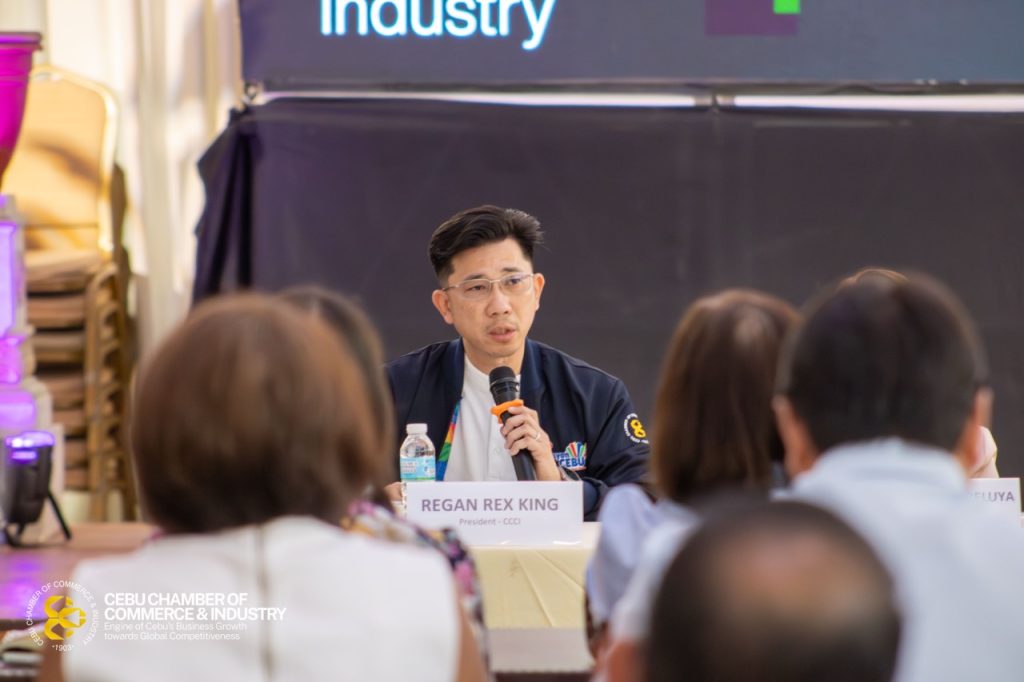
“The next one to two weeks are critical. What we do now will shape the flow of goods, the stability of supply, and the cost of living for every Cebuano family,” said CCCI President Regan King.
The convergence focused on three core objectives:
- Ensuring price and supply stability.
- Maintaining the unhampered flow of essential goods.
- Generating actionable responses across transport, logistics, fuel, power, and retail sectors.
Key Initiatives Agreed Upon
- Mobile grocery caravans to bring essential goods directly to upland and underserved communities.
- Retailers and suppliers committing to hold the line on prices and maintain adequate stock of basic commodities.
- LGUs and national agencies reinforcing price monitoring mechanisms.
- Suspension of truck bans and relaxation of cargo movement restrictions to maintain efficient goods movement.
- Introduction of green lanes and automatic assessment protocols at ports to prevent bottlenecks.
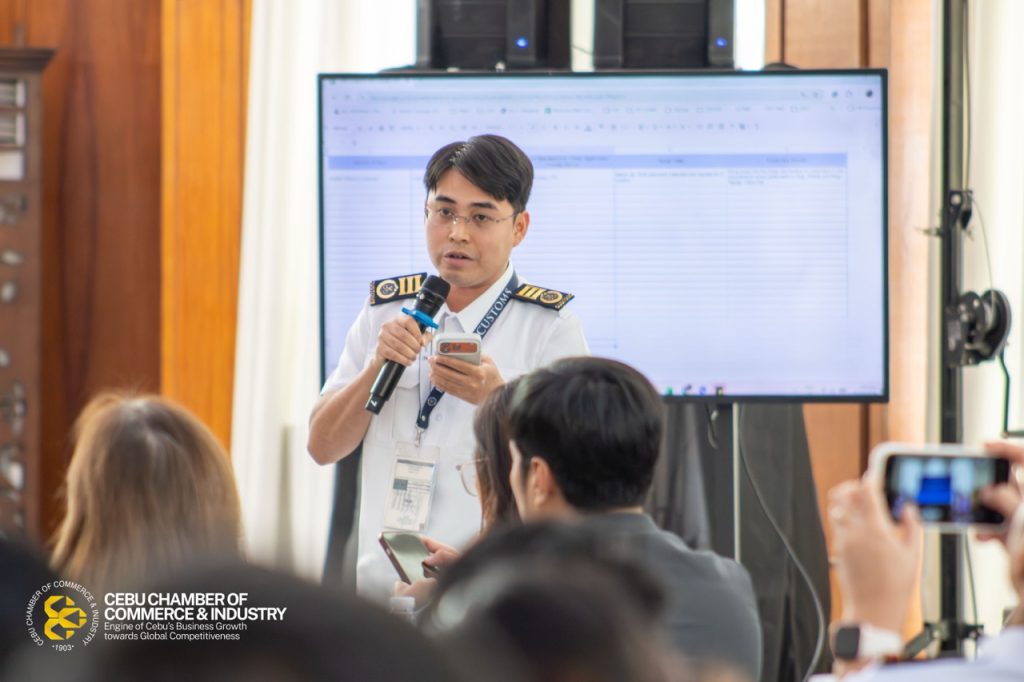


Maritime and Aviation Sector Measures
- Reduction or selective suspension of port charges, terminal fees, and vessel-related fees, with berthing and anchorage discounts of up to 40% for domestic vessels.
- Airlines and airport operators encouraged to reduce aeronautical fees and passenger service charges by up to 50%.
- Cargo freight rates and fares for essential goods proposed for regulation and caps to prevent price gouging.
Support for Workers and Businesses
- Fuel subsidy programs and targeted financial assistance.
- Flexible work arrangements to reduce operational overhead.
- Close coordination between the Department of Labor and Employment (DOLE) and industry to mitigate employment disruptions.
Regulatory Measures
- Strengthened fuel cost mitigation strategies.
- Daily monitoring and reporting of oil prices across LGUs.
- Exploration of temporary waivers or reductions in fees and penalties to provide operational flexibility.
Long-Term Structural Improvements
- Establishment of a centralized coordination mechanism and single contact point for supply chain concerns.
- Dedicated hotline for real-time resolution of logistics and supply movement issues.
- Tighter collaboration among shipping, trucking, port authorities, and regulators to prevent minor disruptions from escalating into full-blown crises.
Trade and Logistics Alliance Initiative
CCCI reaffirmed its commitment to lead and sustain multi-sectoral engagement through its Trade and Logistics Alliance, a permanent platform for dialogue, coordination, and problem-solving among government agencies, private sector operators, logistics providers, fuel suppliers, and retailers. This initiative enables real-time monitoring of supply chain risks, rapid deployment of mitigation measures, and proactive planning to ensure the steady flow of goods and essential services across Cebu’s communities, particularly during times of market volatility and external shocks.

The convergence reinforced that Cebu’s economic resilience depends not only on individual preparedness but also on strong coordination across government and business sectors. Global disruptions can quickly impact fuel prices and cargo costs locally, and the region’s best defense is a system that sees clearly, responds quickly, and holds together under pressure.
Padayon Cebu!!!